
Frame 2147225754 1

Characterize membrane proteins in complex environments with confidence.

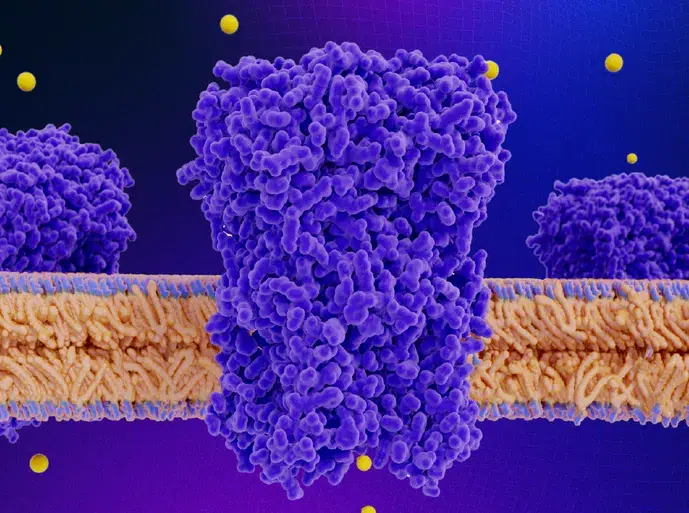
Membrane proteins are among the most challenging targets in drug discovery, yet they represent the largest class of therapeutic targets in the human genome. NanoTemper’s biophysical tools give you the stability and binding data you need to study these difficult proteins — in detergents, nanodiscs, SMALPs, or any other membrane-mimetic system.

Work directly with membrane proteins in their solubilized or membrane-mimetic environments, with no modifications and no compromises.

Characterizing membrane proteins starts with extracting them from their native lipid bilayer, process that can destabilize structure and compromise function. NanoTemper’s nanoDSF technology measures thermal stability using the intrinsic fluorescence of your protein’s tryptophan residues, requiring no dyes and working in any buffer system, including those containing detergents. This makes it possible to rapidly screen detergent conditions to find the one that best preserves your target’s stability. For binding studies, use Spectral Shift to measure interactions in solution, collecting high quality data whether your membrane protein is detergent-solubilized, reconstituted into lipid nanodiscs, or embedded in SMALPs.

From detergent screening to drug binding, NanoTemper supports every step in membrane protein characterization.

Membrane proteins demand methods that can handle their complexity: fragile solubilization conditions, low expression yields, and difficult-to-maintain functionality. NanoTemper’s tools are built to work with these targets as they are, not as you wish they were.

Frame 5912
Ligand binding & drug interaction studies

Understanding how small molecules, lipids, and other partners interact with your membrane protein target is essential for drug discovery. Spectral Shift measures binding affinities in solution, ideal for studying interactions with detergent-solubilized receptors or proteins reconstituted into nanodiscs of defined lipid composition.

Frame 5912
Stability-based compound screening

Thermal shift assays with nanoDSF confirm whether a ligand stabilizes or destabilizes your membrane protein target. This approach works across a wide range of compound classes and buffer systems, providing functional evidence that your GPCR or ion channel is active under your chosen assay conditions.

Frame 5912
Cryo-EM sample optimization

Selecting the right nanodisc or copolymer system for structural studies requires fast, reliable stability readouts. Prometheus Panta can be used to screen nanodisc conditions prior to cryo-EM data collection, ensuring your sample is optimally stable and homogeneous before committing to expensive instrument time.

Two platforms. One workflow. Built for the most challenging membrane protein targets.

Andromeda Services 1

Stability Characterization with Prometheus Panta

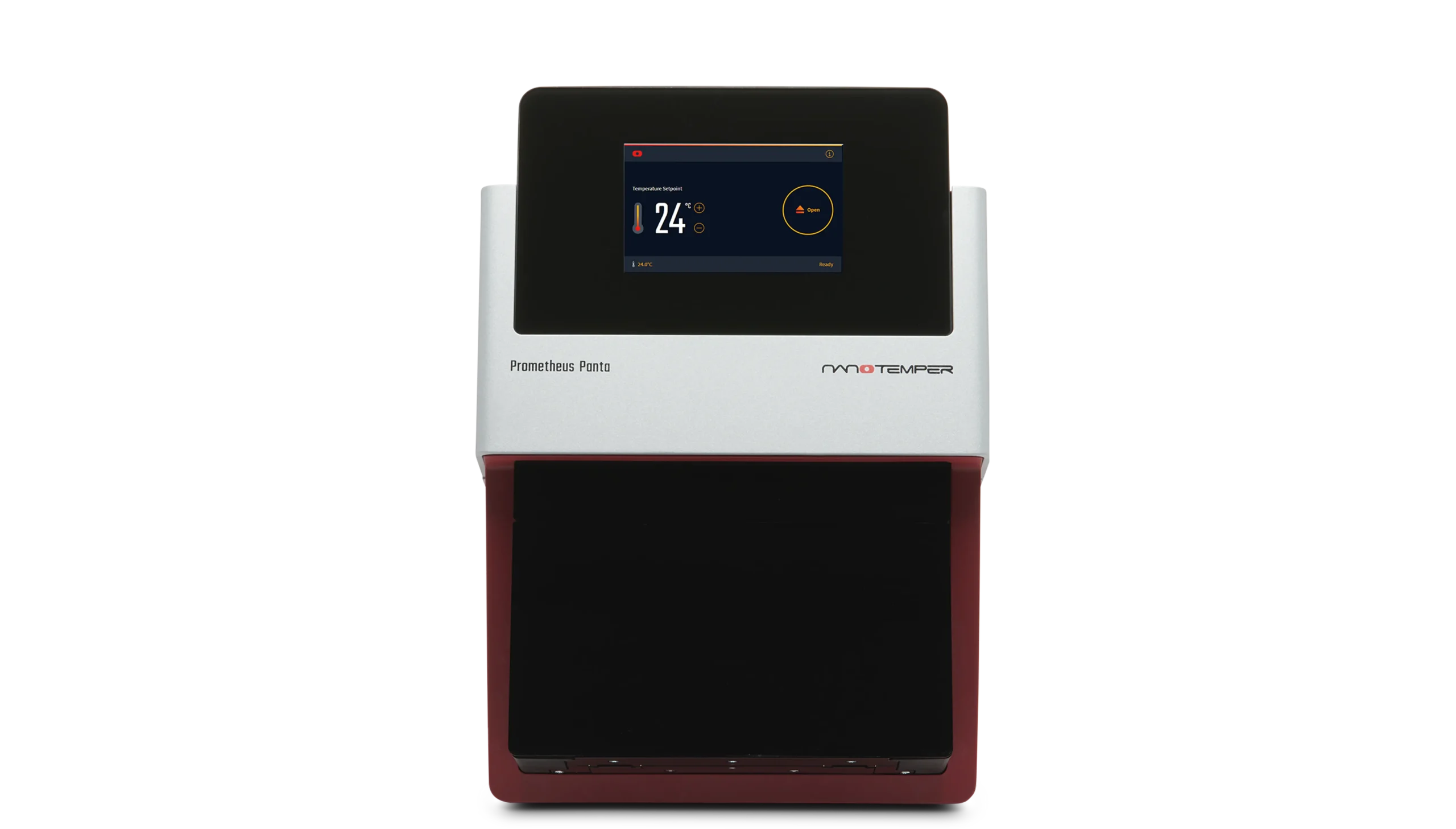
Using nanoDSF and backreflection, Prometheus Panta measures the thermal stability of membrane proteins via intrinsic fluorescence. No labels, no dyes, and broad compatibility. Screen solubilization conditions, identify stabilizing ligands, and assess sample homogeneity before downstream experiments.

Andromeda Services 1

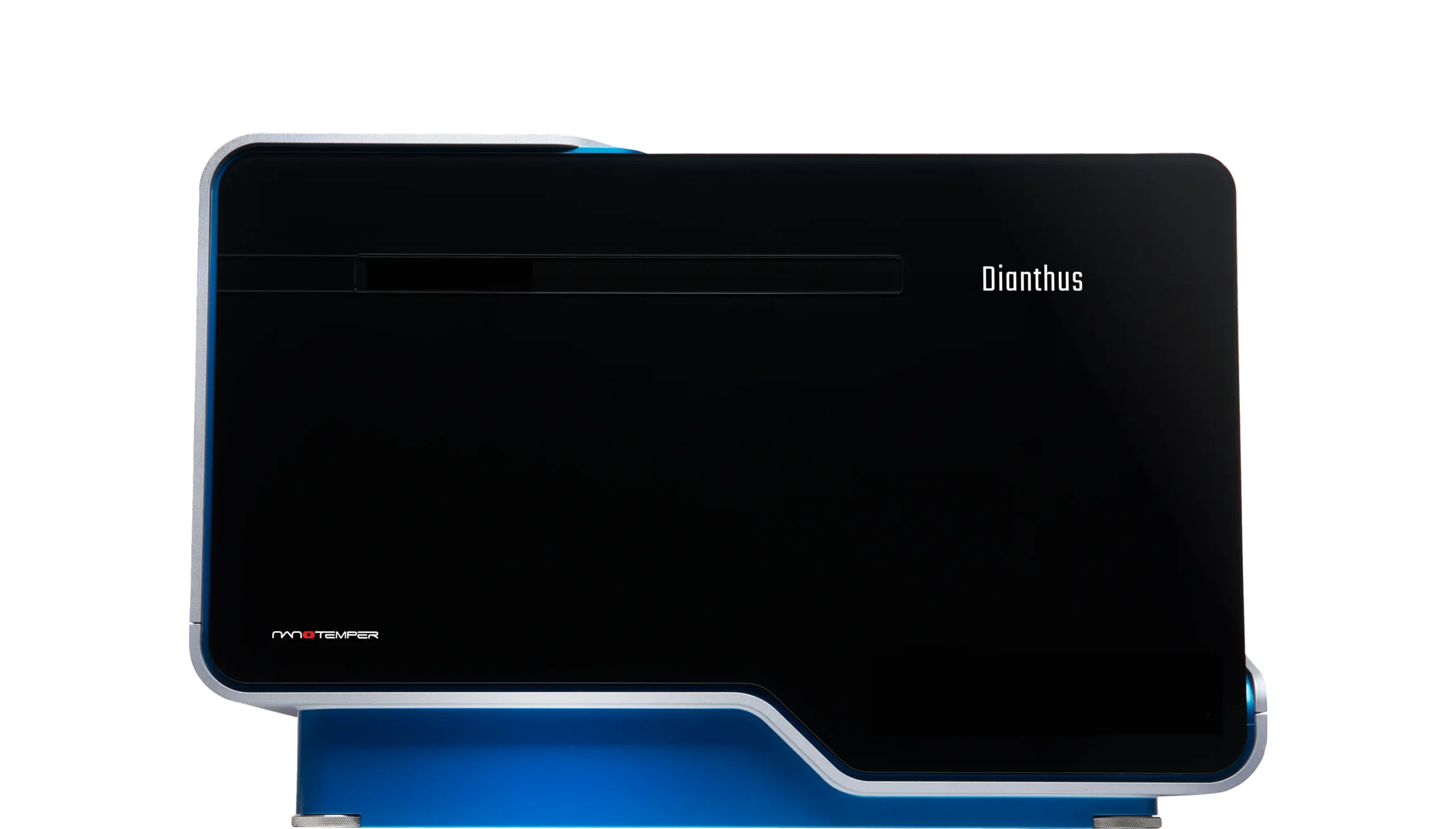
Affinity Measurement with Dianthus

Dianthus measures binding interactions with membrane protein targets in solution, with no immobilization required. Spectral Shift and TRIC technologies work effectively with detergent-solubilized proteins and nanodisc-reconstituted receptors, making Dianthus ideal for ligand screening and hit validation against GPCRs, ion channels, and transporters.

Andromeda Services 1

Together: A Complete Characterization Workflow

Prometheus Panta and Dianthus complement each other across the membrane protein characterization workflow. Panta confirms your target is stable and well-folded under your chosen conditions, while Dianthus measures how your compounds bind to it. Together, they give you the confidence to move forward with the right target preparation and the right candidates.

If your membrane protein could talk, it would ask for NanoTemper.
Product Technology Image Dianthus scaled 1

Join the Newsletter

Get email updates. Your edge in biophysics. Subscribe today.

Privacy Policy(Required)